


Edward Copeland, MD, FACS
Board-Certified General Surgeon
- Board status
- General Surgery, American Board of Surgery
- Clinic locations
- Jackson · Flowood
Conditions and procedures
The type of hernia you have depends on where it develops. The most common hernias form in the groin or near the navel. Others form elsewhere in the abdomen, and some form at the site of a previous surgery.
Hernias can appear on both sides of the body, can come back in the same spot after a repair, and some people have more than one type at the same time. Our surgeons evaluate the hernia, discuss the repair options, and explain what recovery involves.
Each procedure below is one our surgeons perform. Whether any of them is right for you is a decision you make with your surgeon.
A hernia in the groin, where tissue pushes through a weak spot in the lower abdominal wall. This is the most common type.
A hernia at or very near the navel, where the abdominal wall is naturally thinner.
A hernia that develops at the site of a previous abdominal surgery, where the healed incision is weaker than the surrounding wall.
A general term for a hernia through the front wall of the abdomen.
A hernia in the upper abdomen, between the navel and the breastbone.
An uncommon hernia that forms along the side of the abdominal wall rather than at the midline.
A hernia lower in the groin, near the top of the thigh, close to where large blood vessels pass into the leg.
If your symptoms feel urgent
About this information
Your care team
Board-Certified General Surgeon
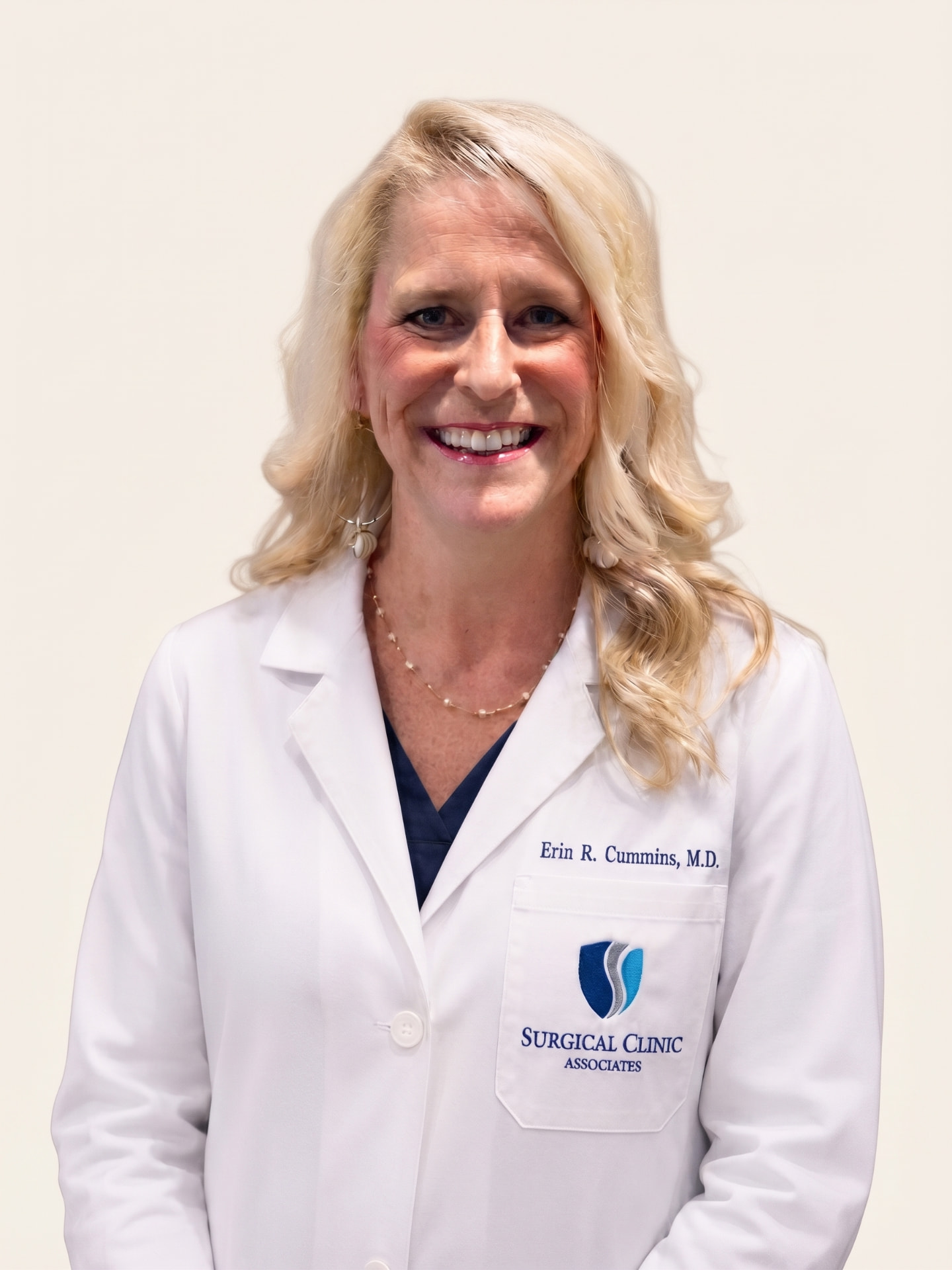
Board-Certified General Surgeon
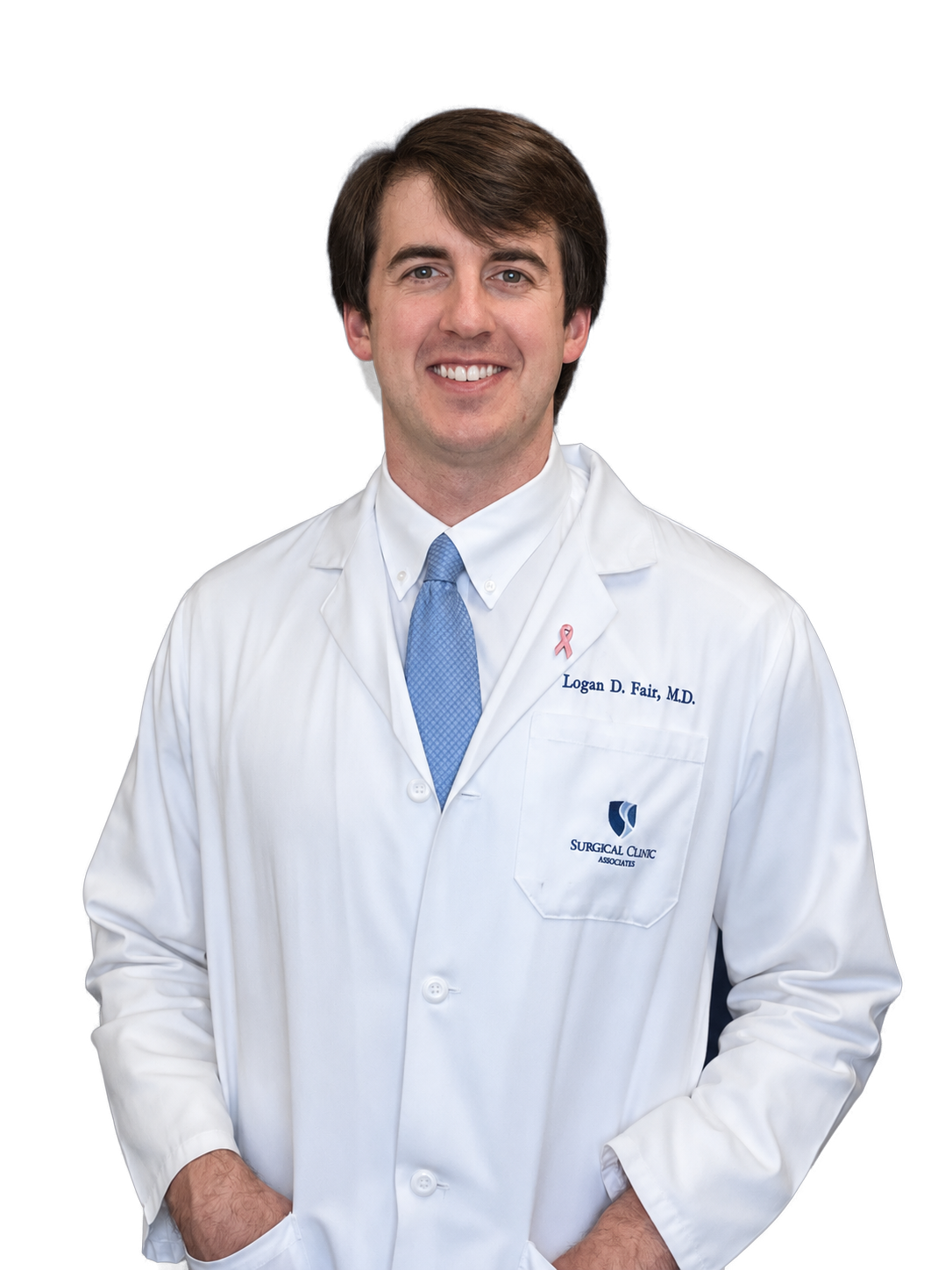
Board-Certified General Surgeon

Board-Certified General Surgeon

Board-Certified General Surgeon
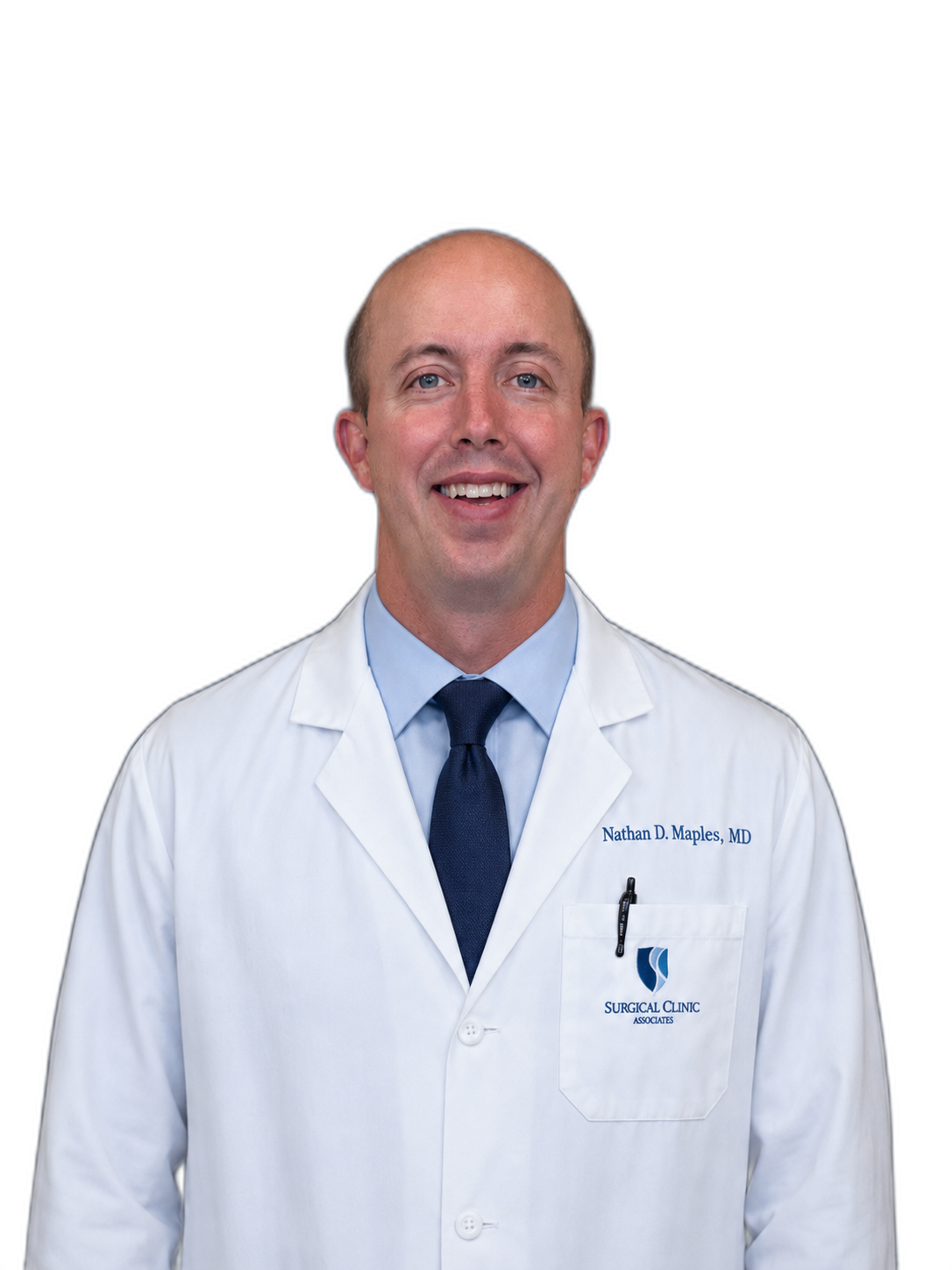
Board-Certified General Surgeon

Board-Certified General Surgeon

Board-Eligible General Surgeon

Board-Certified General Surgeon
Our staff can explain what a consultation involves, whether a referral is needed, and which location is most convenient for you.