

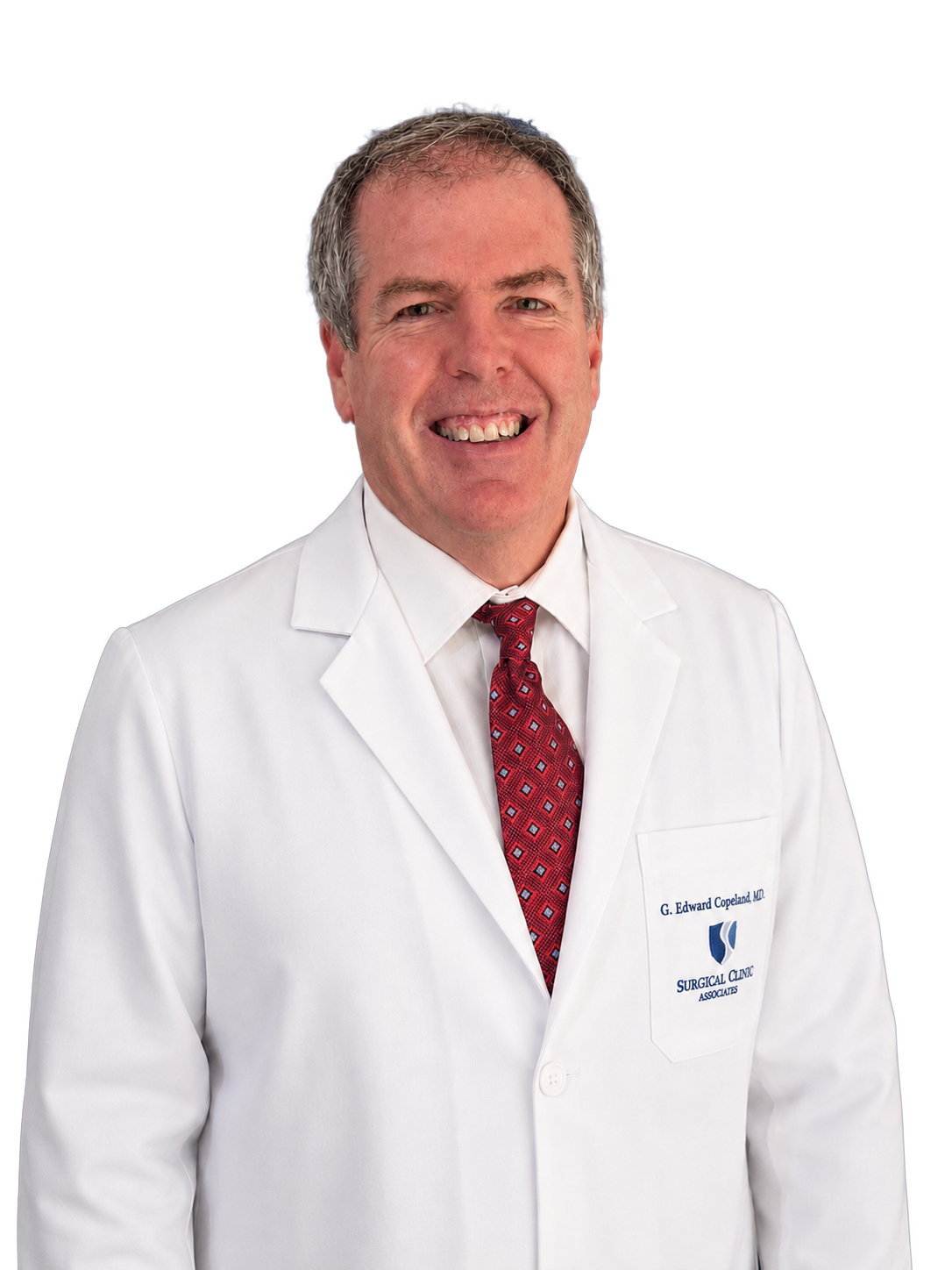
Edward Copeland, MD, FACS
Board-Certified General Surgeon
- Board status
- General Surgery, American Board of Surgery
- Clinic locations
- Jackson · Flowood
Conditions and procedures
The colon, also called the large intestine, is the last part of the digestive tract. It helps with digestion and removes waste from the body. The rectum is the last six inches of the colon.
Common colon and rectal problems include hemorrhoids, diverticulosis, and diverticulitis, along with growths that need to be evaluated and sometimes removed.
Each procedure below is one our surgeons perform. Whether any of them is right for you is a decision you make with your surgeon.
Cancerous growths in the colon or rectum. Surgery is one part of treatment, planned with the rest of your care team.
Non-cancerous growths such as polyps. Some are removed because they could change over time.
Small pouches form when the lining of the colon wall bulges outward. Without enough fiber and water, stool becomes harder and the muscles of the colon must squeeze harder to move it along. Many people with diverticulosis have no symptoms.
This occurs when those pouches become infected or inflamed. Infection can lead to complications such as swelling or rupture of a pouch. Symptoms often include pain, fever, and chills.
Hemorrhoid tissue is a natural part of the body. When it becomes swollen and inflamed, it can cause uncomfortable symptoms such as pain, itching, or bleeding.
A small tear in the lining of the anal canal, which can cause pain and bleeding.
An abnormal small tunnel between the anal canal and the skin, often following an infection.
A cyst or pocket near the tailbone that can become infected and painful and may need to be drained or removed.
If your symptoms feel urgent
About this information
Your care team
Board-Certified General Surgeon
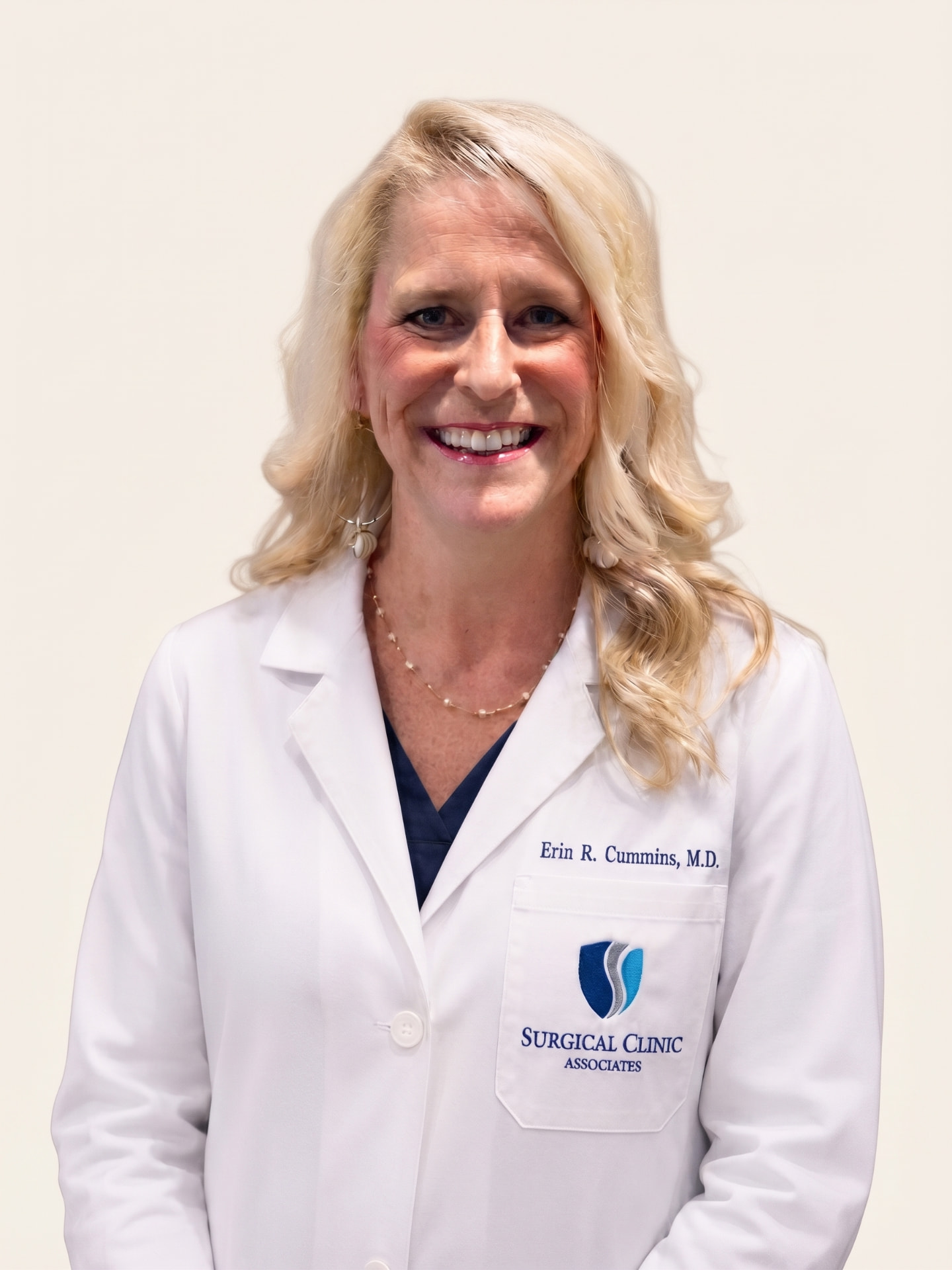
Board-Certified General Surgeon
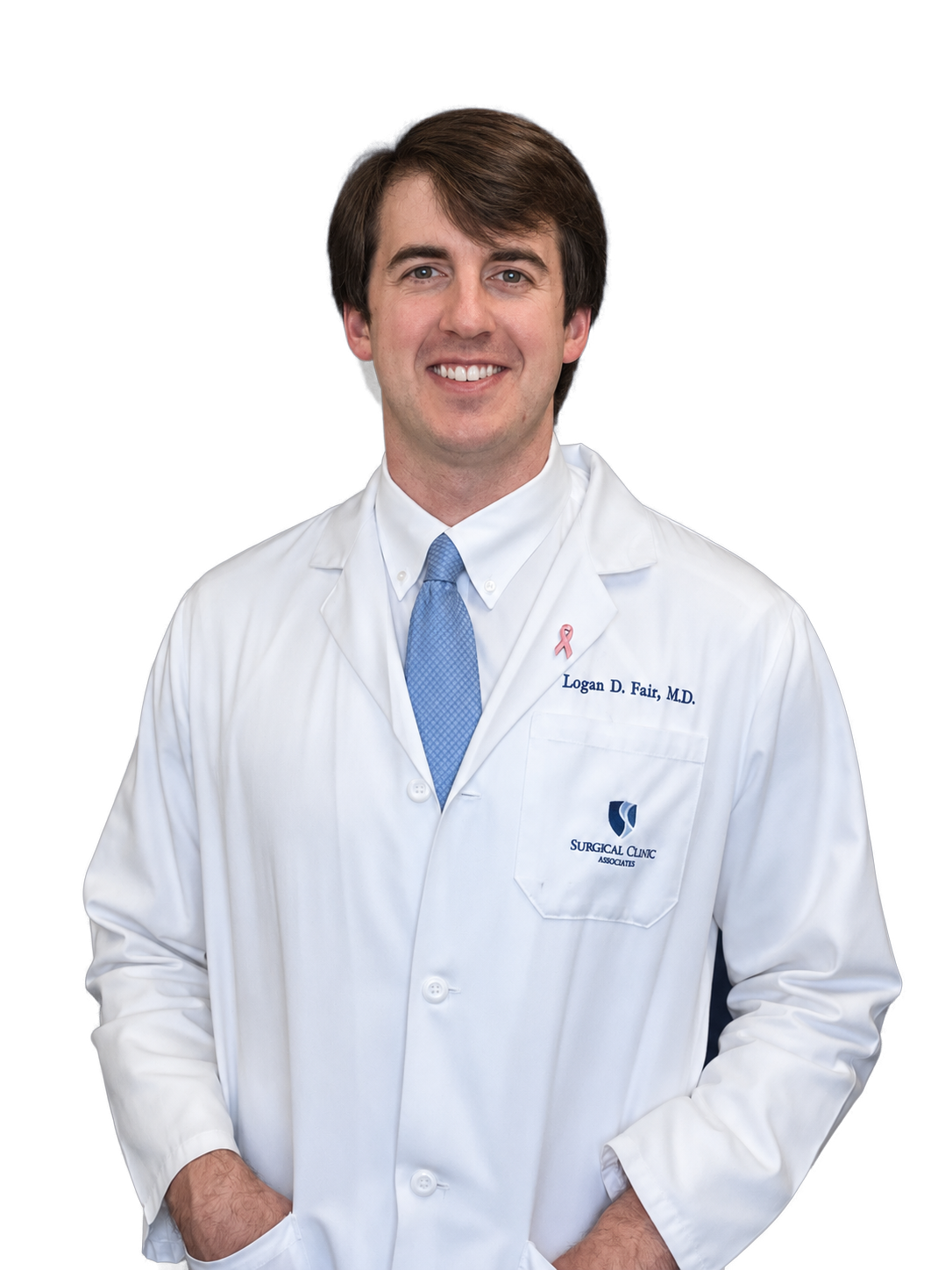
Board-Certified General Surgeon
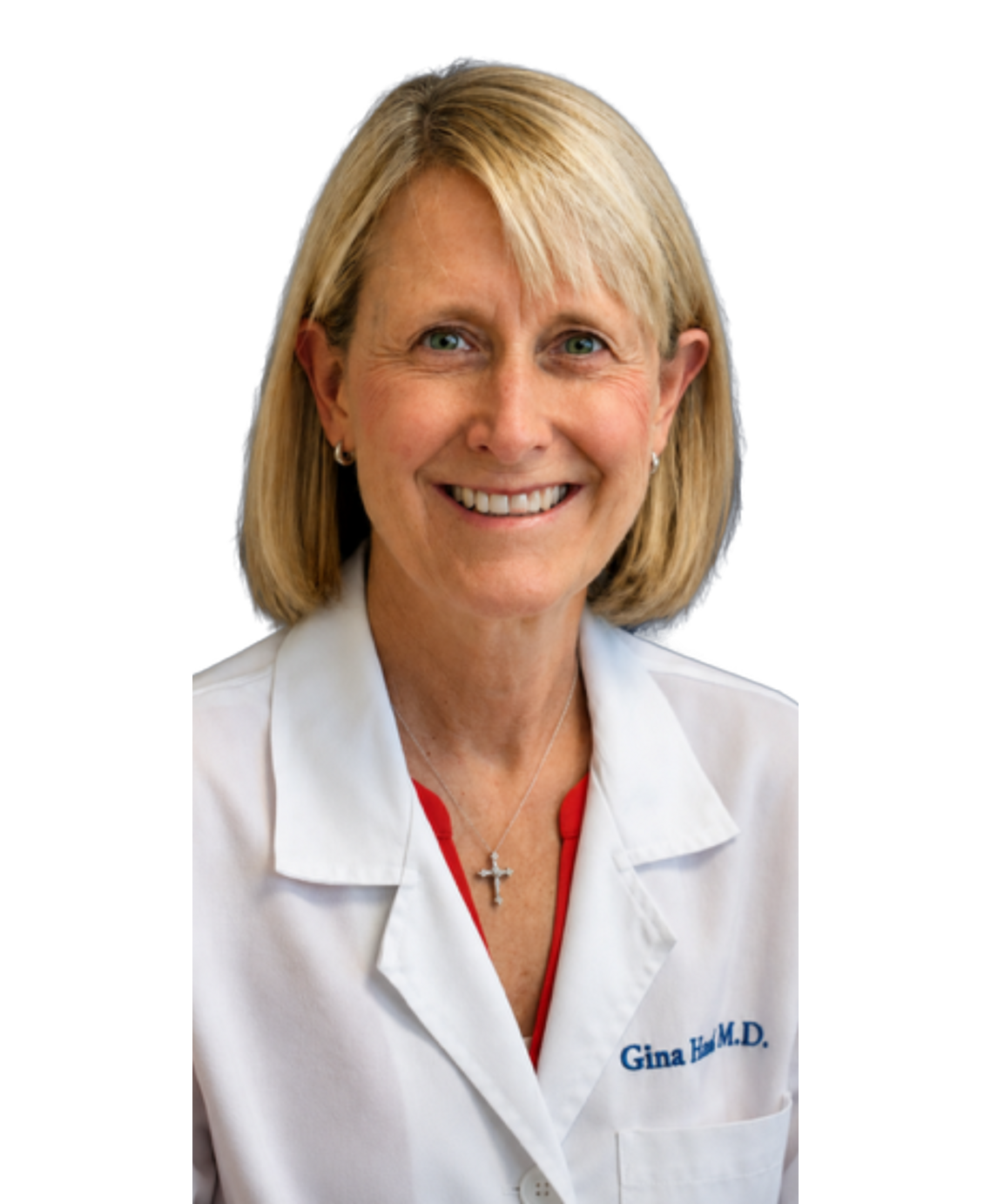
Board-Certified General Surgeon
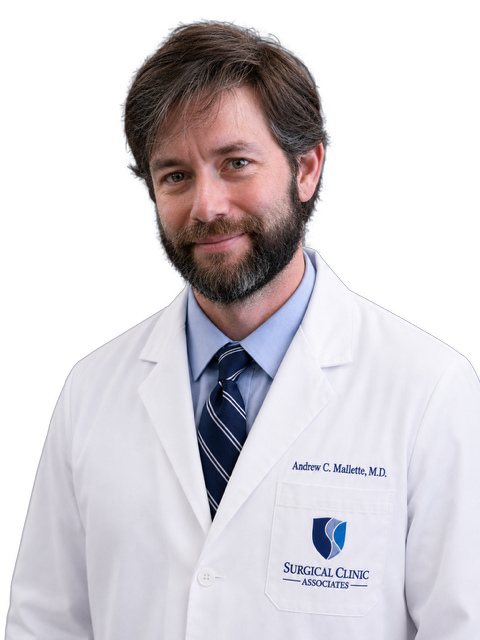
Board-Certified General Surgeon
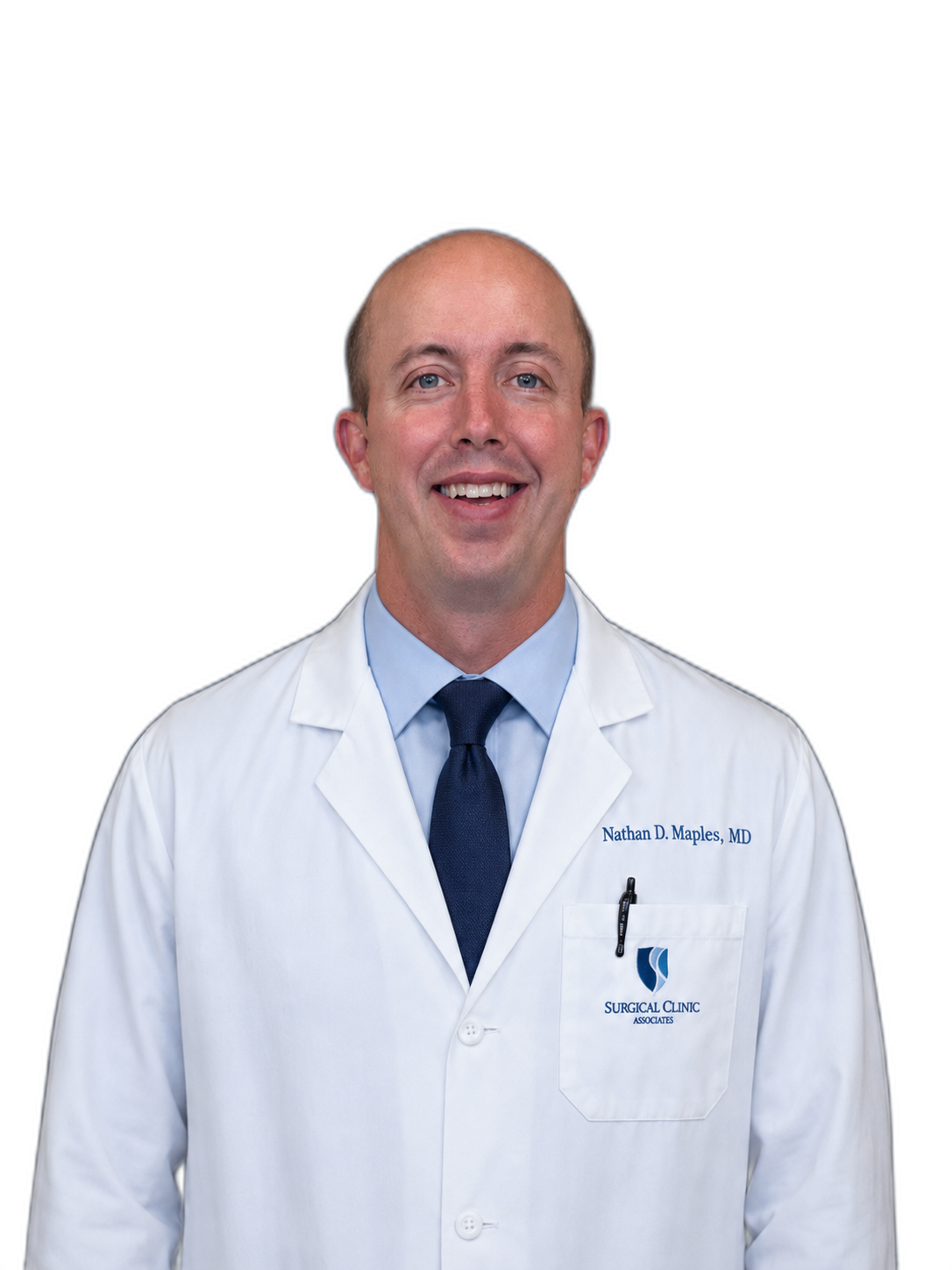
Board-Certified General Surgeon
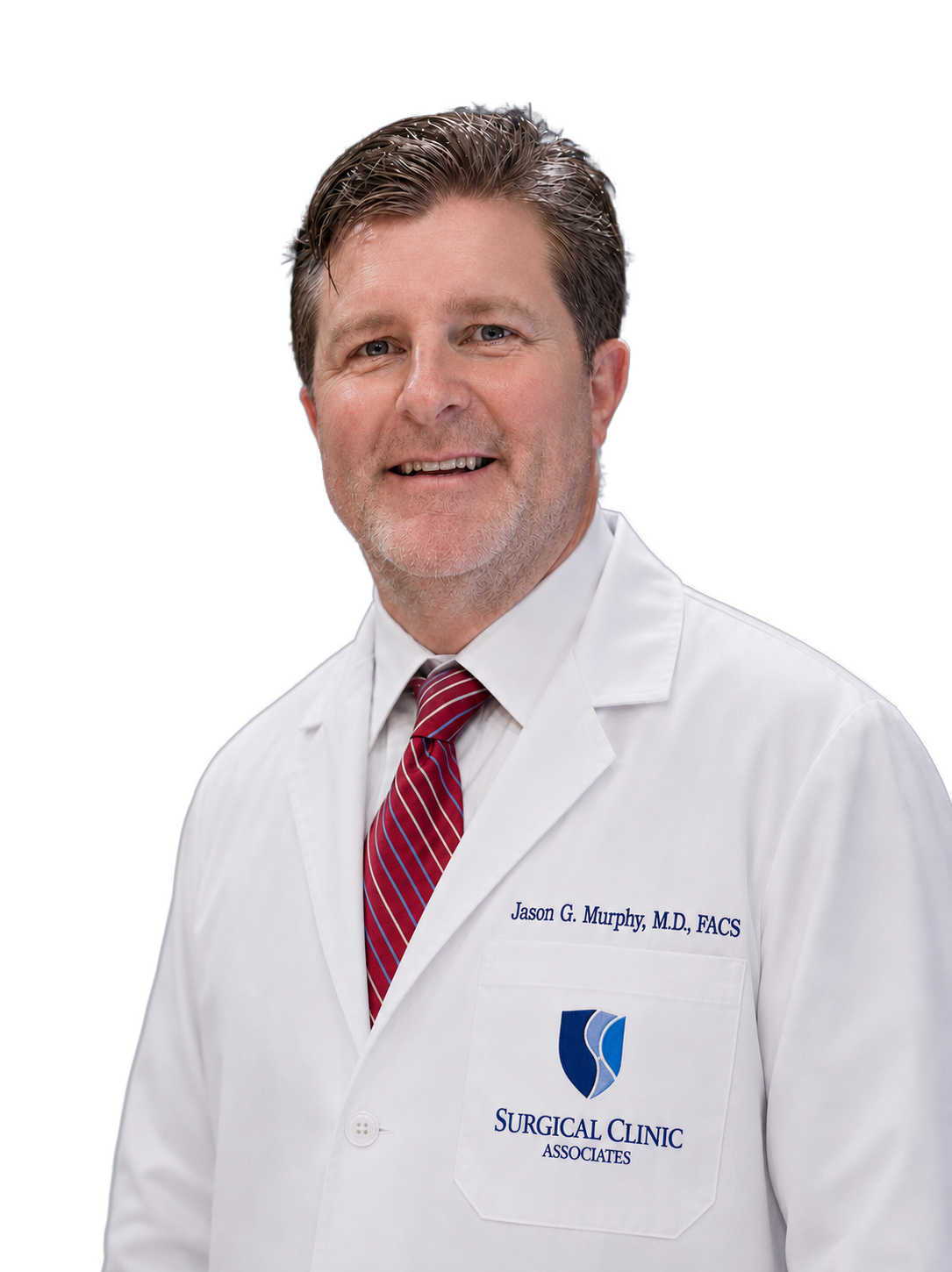
Board-Certified General Surgeon
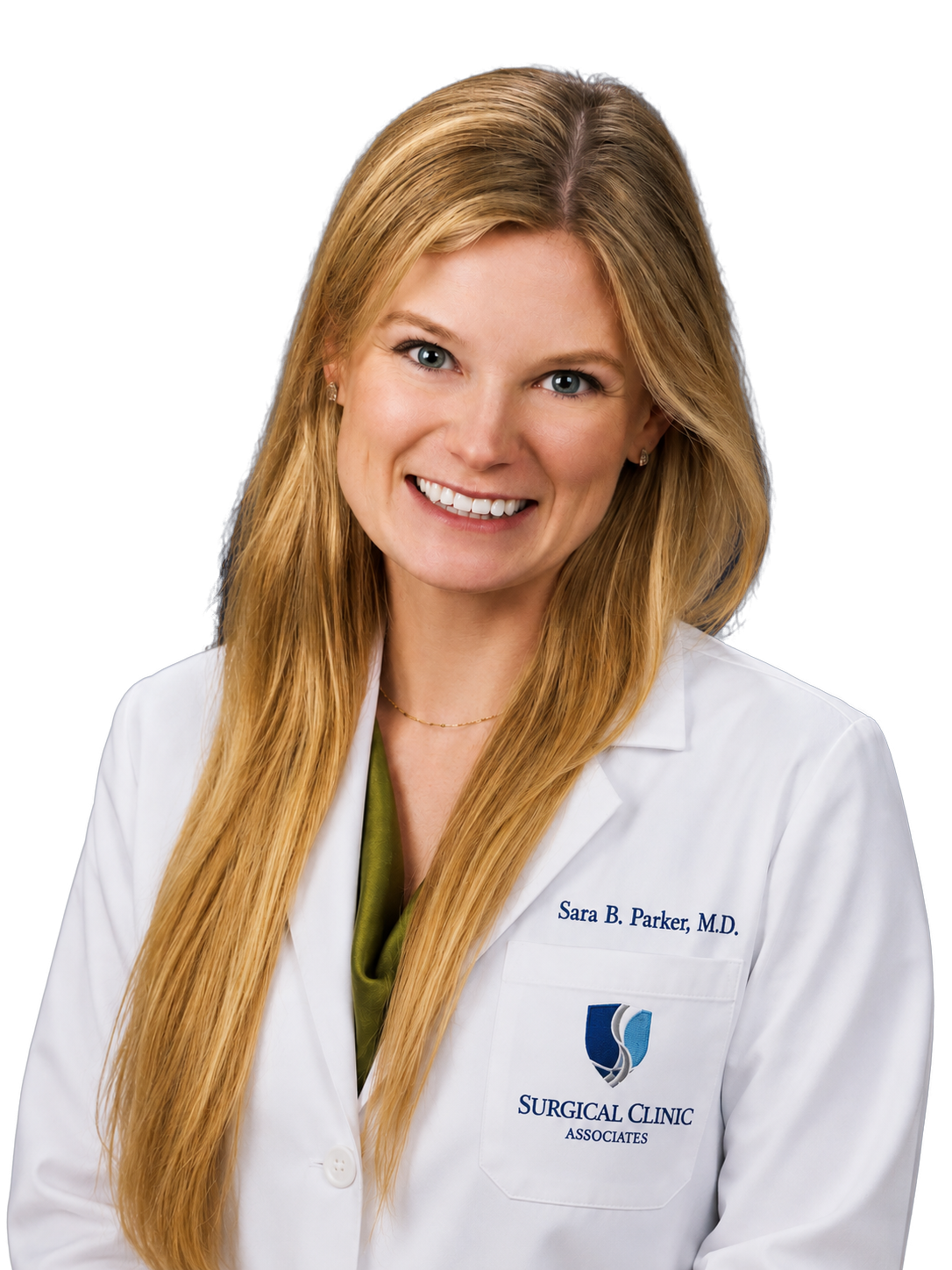
Board-Eligible General Surgeon
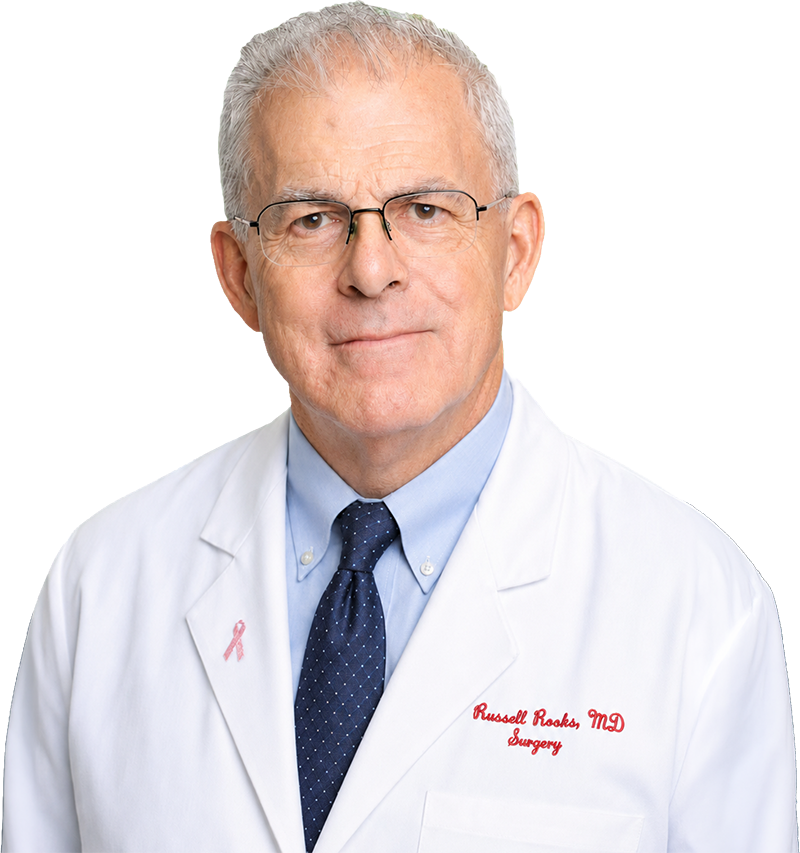
Board-Certified General Surgeon
Our staff can explain what a consultation involves, whether a referral is needed, and which location is most convenient for you.