
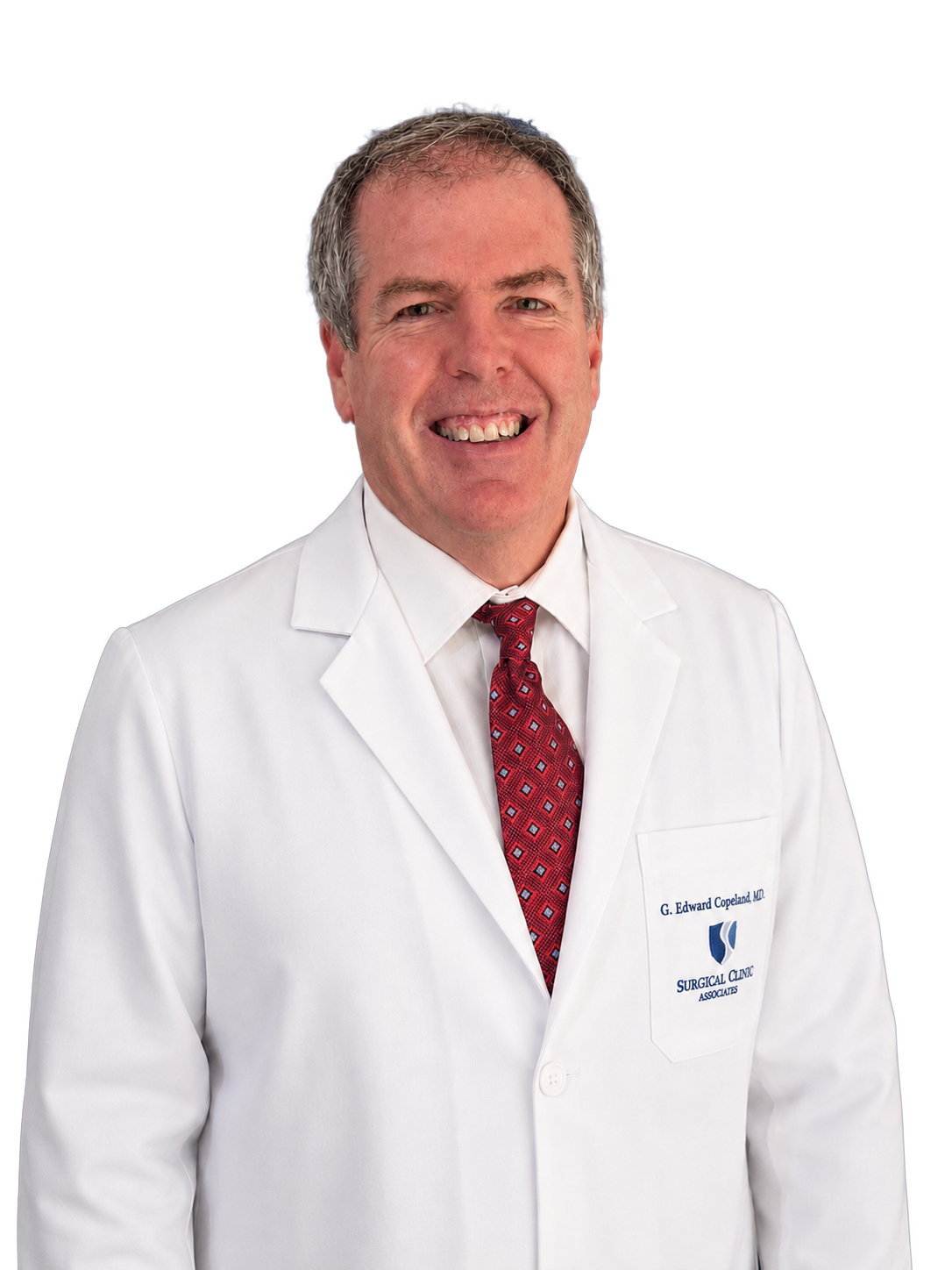
Edward Copeland, MD, FACS
Board-Certified General Surgeon
- Board status
- General Surgery, American Board of Surgery
- Clinic locations
- Jackson · Flowood
Conditions and procedures
The thyroid is a small gland in the neck with a large role in how the body works. It affects everything from heart rate to energy level, so when it is not working properly the effects can be felt throughout the body.
The parathyroid glands are four tiny glands in the neck. Their job is to control the level of calcium in the blood. Left untreated, a parathyroid problem can worsen over time and lead to complications such as kidney stones and bone disease.
Each procedure below is one our surgeons perform. Whether any of them is right for you is a decision you make with your surgeon.
An enlarged thyroid containing several nodules. Some cause no symptoms; others press on the neck or affect thyroid function.
A growth or nodule in the thyroid that needs evaluation to determine what it is and whether it should be removed.
A condition in which the immune system causes the thyroid to produce too much hormone. Treatment may include medication, other therapy, or surgery.
A condition in which the immune system gradually damages the thyroid, often reducing hormone production.
One or more parathyroid glands release too much hormone, which raises blood calcium and can affect the kidneys and bones.
A benign growth on a parathyroid gland that is a common cause of an overactive parathyroid.
If your symptoms feel urgent
About this information
Your care team
Board-Certified General Surgeon
Board-Certified General Surgeon
Board-Certified General Surgeon
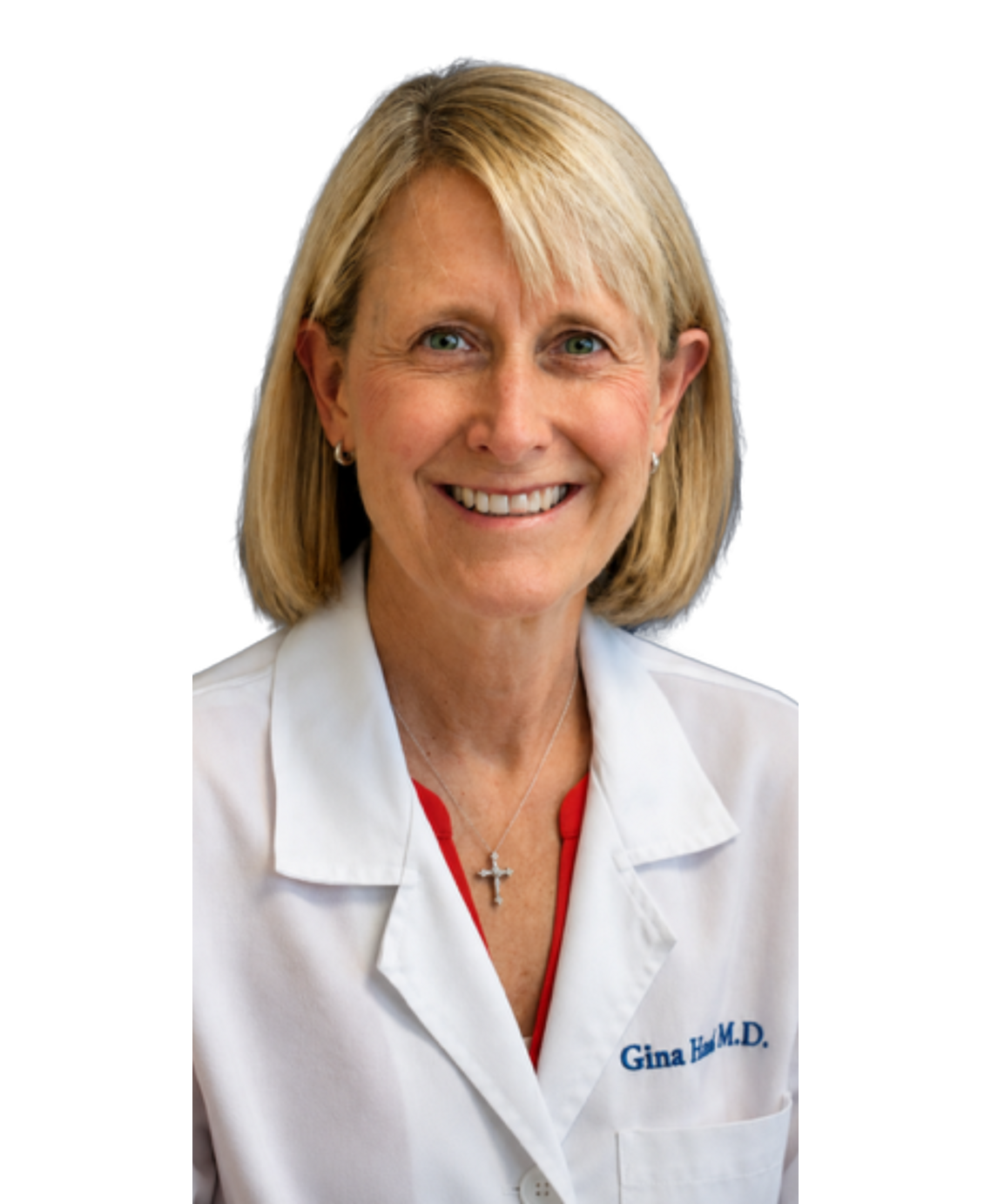
Board-Certified General Surgeon
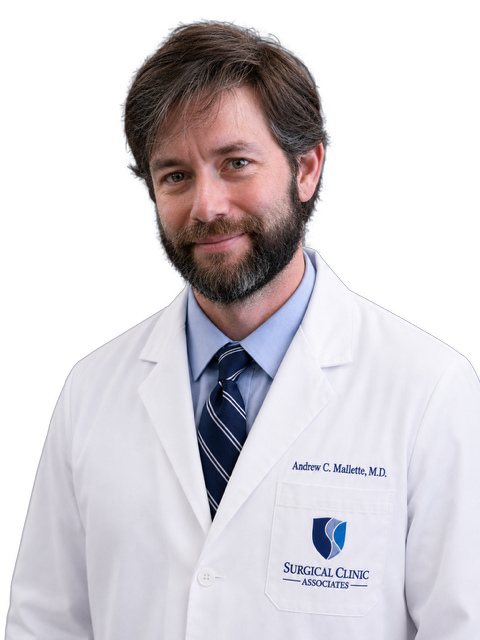
Board-Certified General Surgeon
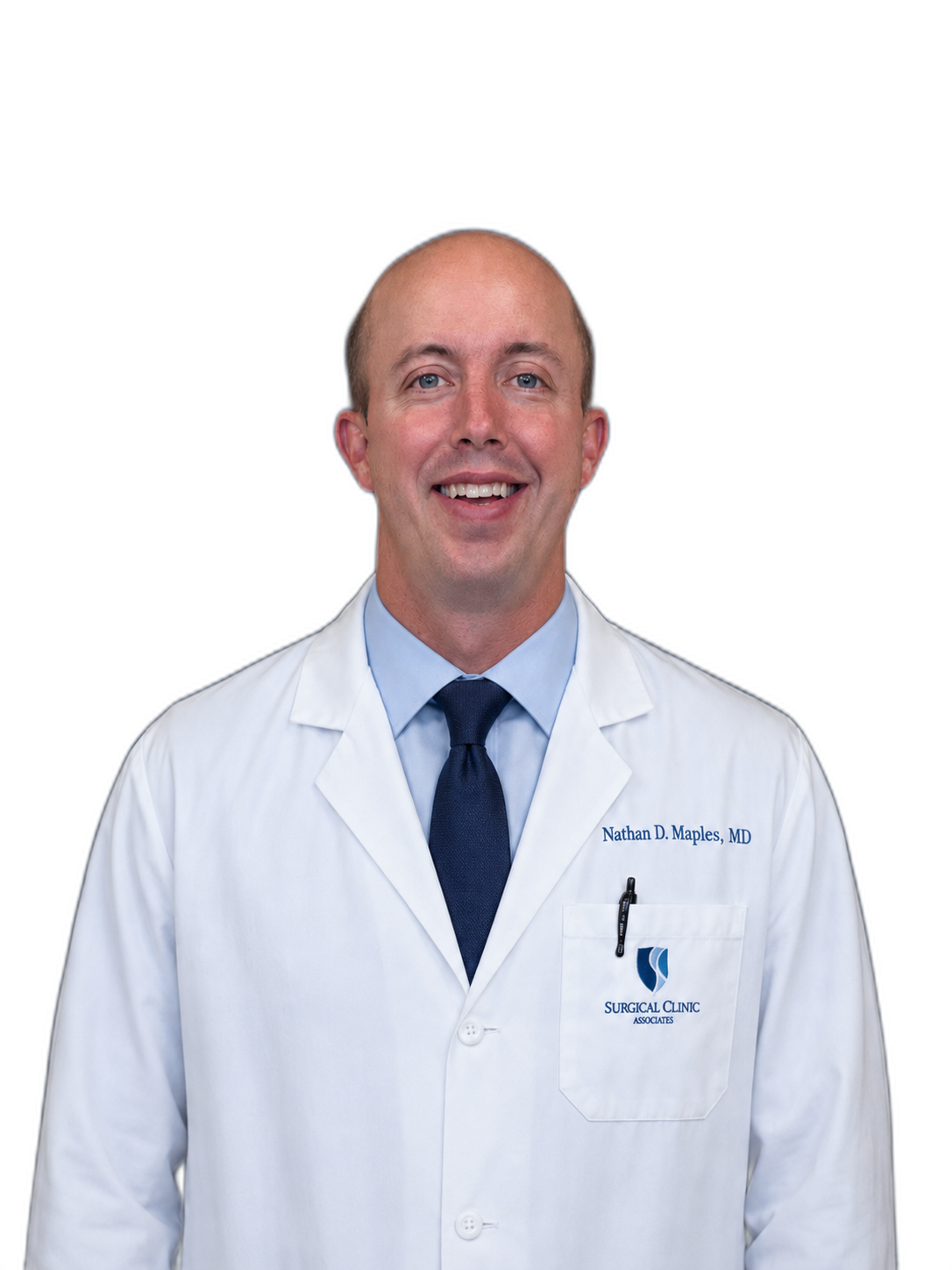
Board-Certified General Surgeon
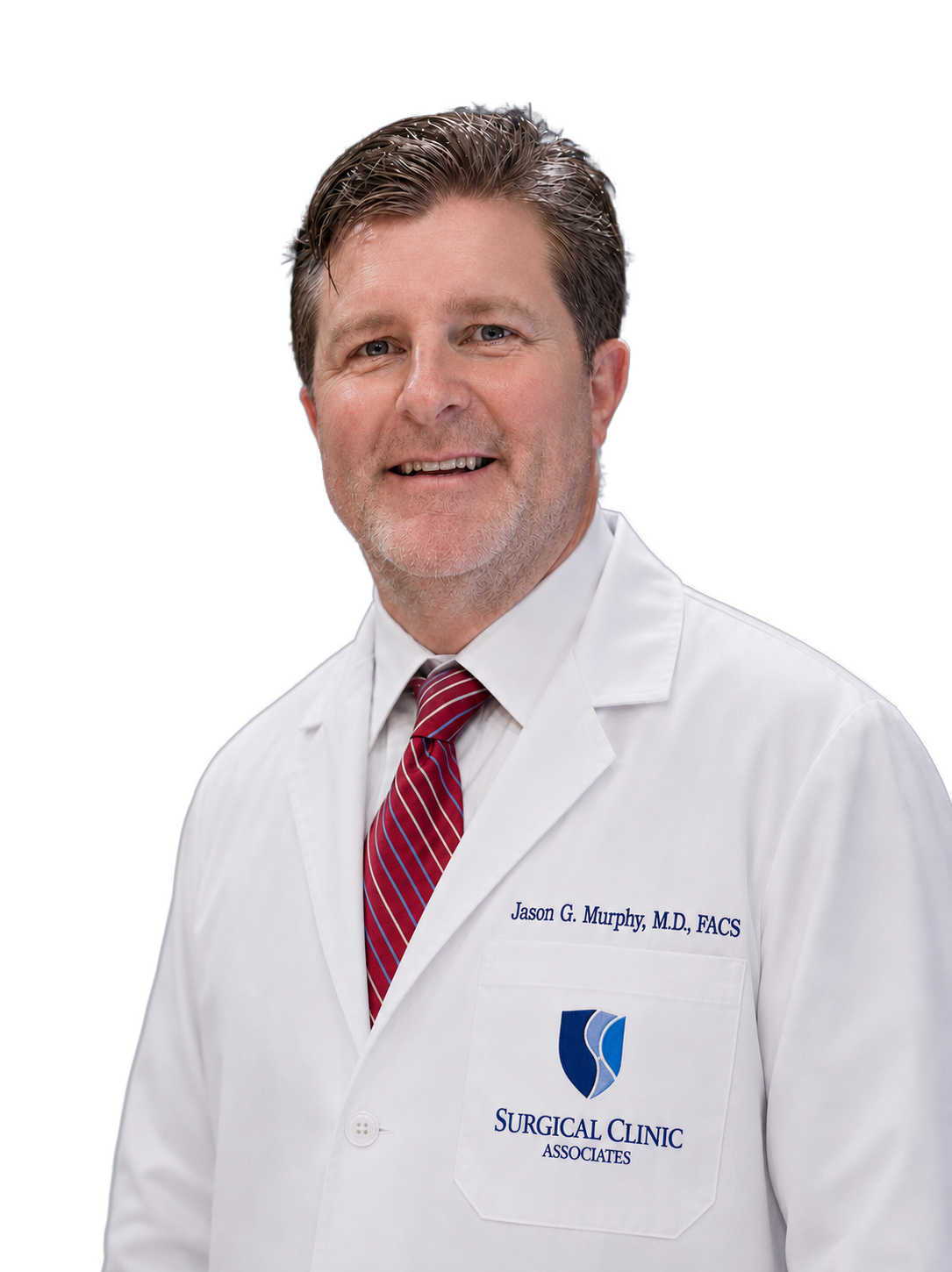
Board-Certified General Surgeon
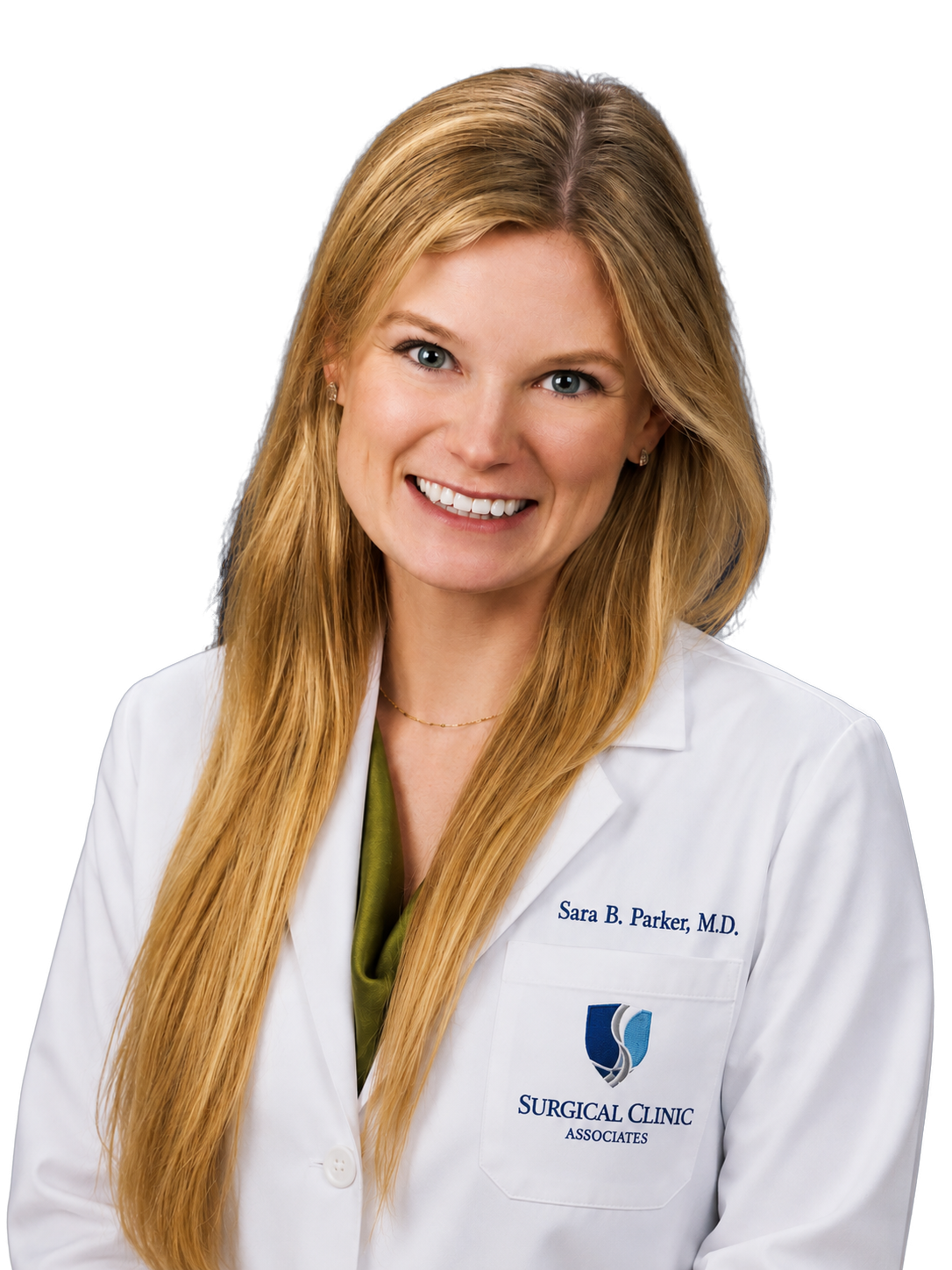
Board-Eligible General Surgeon
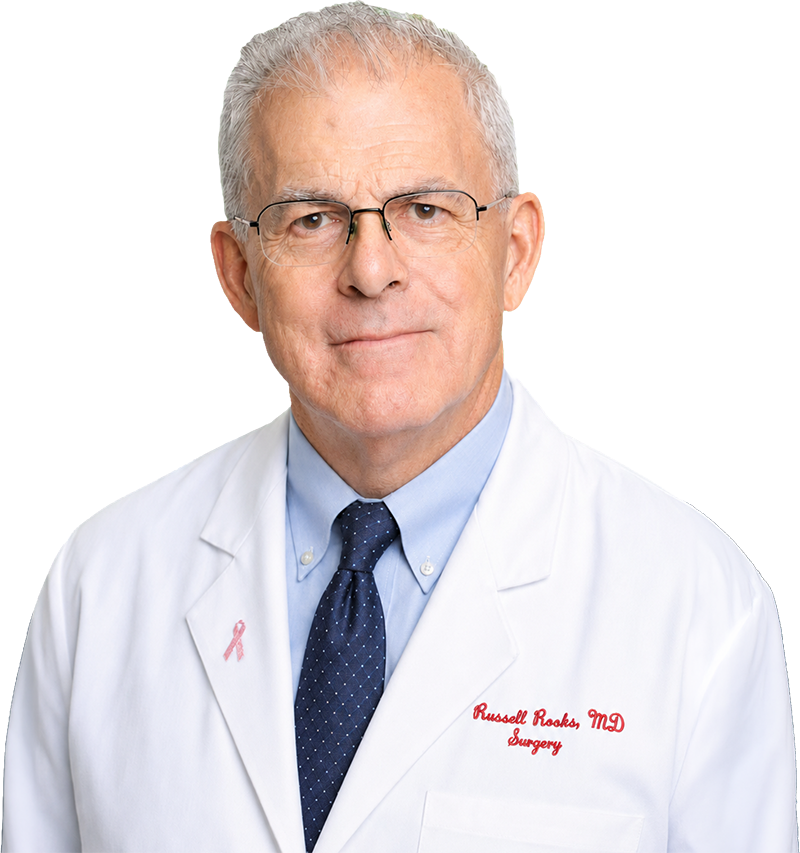
Board-Certified General Surgeon
Our staff can explain what a consultation involves, whether a referral is needed, and which location is most convenient for you.